Understanding Hair Transplant Techniques in Turkey
Turkey has emerged as a leading destination for hair restoration, attracting thousands of international patients seeking effective solutions for hair loss. The combination of advanced techniques, experienced surgeons, and competitive pricing has made Turkey a preferred choice for many. In this article, we delve into the various hair transplant methods available, the preparation and recovery processes, and the unique advantages of choosing hair transplant turkey for your needs.
What are the Most Popular Hair Transplant Methods?
The two most popular hair transplant methods are Follicular Unit Extraction (FUE) and Follicular Unit Transplantation (FUT). Both techniques aim to restore hair density and improve aesthetics, but they differ significantly in their approach.
- Follicular Unit Extraction (FUE): This method involves extracting individual hair follicles directly from the scalp using a specialized instrument. It is less invasive, leads to minimal scarring, and allows for a quicker recovery time.
- Follicular Unit Transplantation (FUT): Also known as strip harvesting, this technique involves removing a strip of skin from the back of the scalp and dissecting it into follicular units. FUT can yield a higher number of grafts in a single session but typically results in a linear scar.
How Does FUE Compare to FUT?
While both FUE and FUT have their advantages and disadvantages, choosing the right method depends on individual circumstances including the extent of hair loss, the desired outcome, and the patient’s health.
- Recovery Time: FUE typically allows for a faster recovery. Patients can often return to light activities within a few days.
- Scar Visibility: FUE leaves minimal scarring, whereas FUT results in a noticeable linear scar, which may be a consideration for those who prefer short hair.
- Cost: FUE tends to be more expensive due to the intricacy of the procedure, while FUT may be a more cost-effective option.
What to Expect from Your Hair Transplant Procedure?
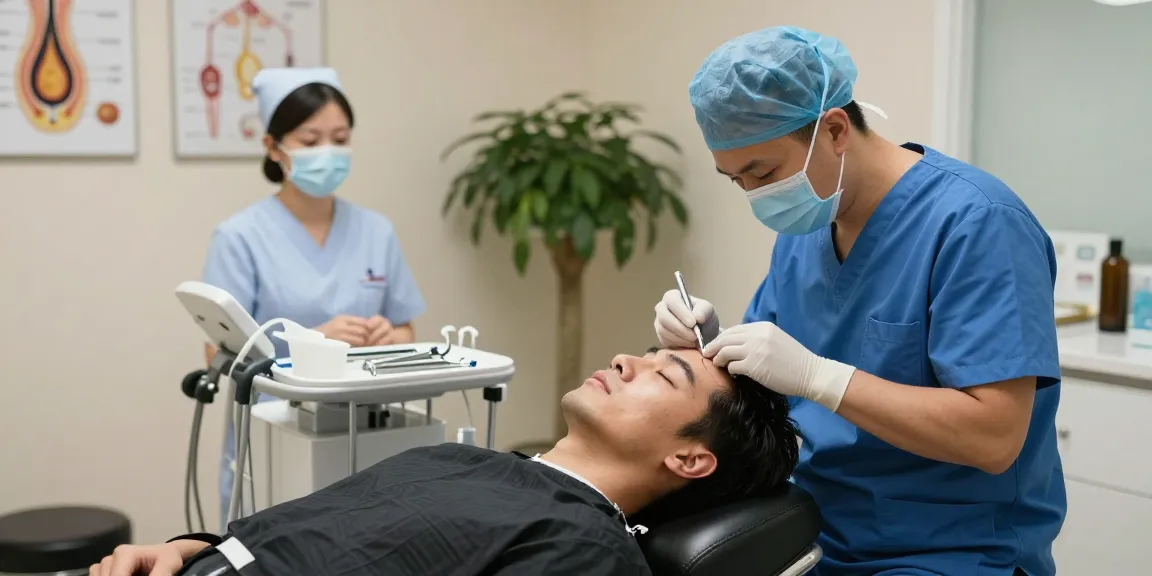
Patients can expect a thorough consultation before the procedure where surgeons assess their hair loss pattern and discuss expected results. The actual procedure usually takes 4 to 8 hours, and local anesthesia is used to minimize discomfort. Post-operative care guidelines are also provided to ensure optimal healing and hair growth.
The Benefits of Choosing Turkey for Hair Transplants
Turkey has become synonymous with excellent hair restoration services, attracting patients from all over the world. The factors contributing to this trend include high-quality medical care, affordability, and a range of tourism opportunities.
Why Turkey is a Hub for Hair Restoration?
The country boasts numerous high-quality clinics equipped with cutting-edge technology. Many surgeons are internationally accredited and have extensive experience in hair transplantation, often performing thousands of procedures annually.
Cost-effective Solutions: Quality vs. Price
One of the most compelling reasons for choosing Turkey is the affordability of hair transplant procedures. High-quality services often come at a fraction of the price compared to the United States or Europe, without compromising on standards.
- Transparent Pricing: Most clinics provide comprehensive packages that include everything from consultations to post-operative care.
- All-Inclusive Packages: These often include accommodations, airport transfers, and even city tours, making the entire experience convenient and enjoyable.
Expert Surgeons: What Makes Them Stand Out?
Turkish surgeons are known for their skill and artistry in hair restoration. Many have received specialized training in Europe and the United States, and they stay updated with the latest advancements in the field. Additionally, the high patient volume in Turkey provides surgeons with extensive hands-on experience.
Preparing for Your Hair Transplant Journey
Preparation is key for a successful hair transplant experience. Patients should follow certain guidelines to ensure they are fully prepared for their procedure.
Consultation Tips: What Questions to Ask?
During the initial consultation, it’s crucial to ask specific questions to understand the procedure and expected outcomes. Inquire about:
- The surgeon's experience and success rates.
- What techniques will be used and why?
- Expected recovery time and post-operative care.
Pre-operative Care: Steps to Follow
Patients should avoid smoking, alcohol, and certain medications, such as blood thinners, for at least a week prior to the surgery. Maintaining a healthy diet and staying hydrated can significantly aid in recovery.
Traveling to Turkey: Essential Information
Turkey is well-connected with regular flights from major cities around the world. It’s advisable to book accommodations close to the clinic and explore the local culture during your recovery period.
Post-Operative Care and Expectations
How you care for your scalp after surgery significantly influences the outcome. Patients should adhere to their surgeon's guidelines for a smooth recovery.
How to Care for Your Scalp After Surgery?
After the procedure, it’s essential to avoid touching or scratching the transplanted areas. Using recommended shampoos and avoiding direct sunlight is crucial for optimal healing.
Managing Recovery: What to Anticipate
Swelling and mild discomfort are common in the first few days after surgery. Patients should follow their surgeon's advice on medications and activities to minimize risks and speed up recovery.
Signs of Successful Hair Growth: What to Look For
It usually takes several months to see significant hair growth. Patients should monitor for indicators of success, including:
- New hair growth within the first 3-4 months.
- Increased density of hair over the following 6-12 months.
Future Trends in Hair Restoration in 2026
The field of hair restoration is continuously evolving, with new technologies and practices emerging to enhance patient experience and outcomes.
Innovative Technologies Shaping the Industry
Emerging technologies, such as robotic-assisted surgeries and advanced imaging techniques, are set to revolutionize how hair transplants are performed, increasing precision and reducing recovery times.
Sustainable Practices in Hair Transplant Clinics
As awareness of sustainability grows, many clinics are adopting eco-friendly practices. This includes utilizing renewable energy sources and reducing medical waste during procedures.
Predictions for Hair Restoration Techniques by 2026
Advancements in biotechnology may lead to the development of stem cell therapies that could enable hair regrowth without the need for traditional surgical methods.
What is the Future of Hair Health?
The focus will likely shift towards prevention, with increased emphasis on holistic approaches combining nutrition, lifestyle changes, and modern treatments to maintain hair health over time.