Understanding Nyonya 4D: Cultural Significance and Origins
Nyonya 4D, a unique cultural practice rooted in the Peranakan community, encapsulates a vibrant blend of Chinese and Malay traditions. This cultural phenomenon is characterized by intricate artistry, flavorful cuisine, and traditional garments that tell tales of ancestry and identity. While many might associate Nyonya with its culinary delights and colorful attire, understanding the depth of Nyonya 4D requires delving into its historical backdrop and the socio-cultural dynamics that shape it today. For those interested in exploring more about Nyonya culture, resources such as nyonya4d can provide comprehensive insights into this fascinating tradition.
What is Nyonya 4D?
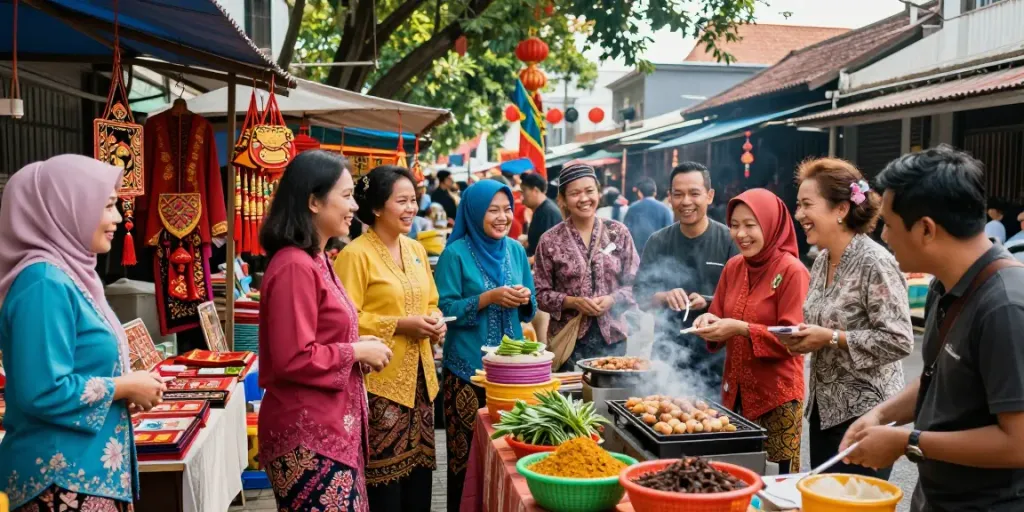
Nyonya 4D refers to various aspects of Peranakan culture, primarily expressed through arts, gastronomy, and traditional crafts. The term 'Nyonya' itself refers to the female descendants of Chinese immigrants who settled in the Malay Archipelago. These women are known for their distinctive clothing, especially the kebaya, and their culinary expertise in making flavorful dishes that fuse Chinese and Malay ingredients. The '4D' aspect signifies the multidimensional nature of this cultural heritage that spans across domains such as food, fashion, festivals, and familial traditions.
Historical Context and Development of Nyonya Culture
The origins of Nyonya culture can be traced back to the Chinese migration to Southeast Asia during the 15th to 17th centuries. These immigrants married local Malay women, resulting in a blend of two cultures. Over the centuries, this unique fusion formed a distinct community known as the Peranakan or Straits Chinese. The Nyonya, as the women of this community are called, became pivotal in preserving and evolving the cultural nuances of this heritage. Historical accounts reveal how the Nyonya maintained traditional practices while embracing new influences, thereby enriching their culture over time.
Key Elements of Nyonya Traditions
- Clothing: The Nyonya kebaya, a blouse-dress combination, is emblematic of this culture, often adorned with vibrant colors and intricate embroidery.
- Cuisine: Nyonya cuisine is celebrated for its bold flavors and the use of fresh herbs and spices, offering an enchanting array of dishes such as laksa, ayam buah keluak, and kueh.
- Arts and Crafts: Traditional crafts such as beadwork and goldsmithing showcase the artisanship of the Nyonya women, reflecting their cultural narratives and aesthetics.
Exploring Nyonya 4D in Modern Society
As the world evolves, so too does the Nyonya culture. Today, Nyonya 4D is experiencing a resurgence, with younger generations taking active roles in reviving and reshaping traditional practices. With a renewed interest in heritage and cultural identity, these individuals serve as custodians of their culture while incorporating modern elements into their practices.
Current Trends in Nyonya Culture
Modern interpretations of Nyonya culture are evident through various medium, including social media platforms where younger Nyonyas share their culinary creations, traditional attire, and cultural insights. Events showcasing Nyonya heritage are increasingly popular, drawing attention to this rich history and inviting broader participation from multicultural audiences. The reinvigoration of Nyonya recipes and the crafting of traditional garments also reflect a growing appreciation for authenticity and cultural pride.
Nyonya 4D Festivals and Events
Festivals play a critical role in the Nyonya 4D experience, celebrating cultural values while providing opportunities for community engagement. Events such as the annual Nyonya Festival showcase traditional performances, culinary workshops, and fashion shows, allowing attendees to immerse themselves in the vibrant heritage. These gatherings are not only a means of celebration but also a platform for educational exchange, ultimately fostering a deeper understanding of Nyonya traditions.
Community Engagement and Cultural Preservation
The survival of Nyonya culture largely depends on active community engagement. Local organizations and cultural groups are working tirelessly to preserve and promote these traditions through workshops, cooking classes, and public demonstrations. In doing so, they encourage participation from both the Nyonya community and the general public, thereby bridging generational gaps and nurturing a shared appreciation for cultural heritage.
Practical Applications of Nyonya 4D
Experiencing Nyonya 4D goes beyond mere observation; it involves active participation in the community's rich traditions. From cooking classes that teach how to prepare traditional dishes to workshops on traditional crafts, there are numerous avenues for individuals looking to connect with Nyonya culture on a deeper level.
How to Experience Nyonya 4D Firsthand
One of the most authentic ways to engage with Nyonya culture is by attending local events and festivals where food, music, and dance are showcased. Participating in workshops aimed at learning traditional crafts can also provide insights into the community's artistic expression, while cooking classes offer a chance to delve into the intricacies of Nyonya cuisine.
Incorporating Nyonya Elements into Daily Life
Integrating Nyonya traditions into daily life can be a fulfilling endeavor. Whether it's wearing Nyonya-influenced attire for special occasions, cooking traditional dishes for family gatherings, or decorating homes with Peranakan-inspired motifs, these practices help keep the culture alive. Cooking Nyonya meals can bring family members together, fostering intergenerational bonds through shared culinary experiences.
Culinary Delights: Recipes and Cooking Tips
Nyonya cuisine is celebrated for its vibrant flavors and aromatic profiles. Dishes like Nyonya laksa—a spicy noodle soup—and buah keluak, a rich chicken dish made with black nuts, are just a few examples of the culinary treasures this culture offers. For those looking to recreate these dishes at home, it is essential to use fresh ingredients and to respect the traditional cooking methods that have been passed down through generations. Experimenting with local herbs and spices can also help capture the authentic taste of Nyonya cuisine.
Challenges Facing Nyonya Culture Today
Despite the ongoing revival, the Nyonya culture faces a myriad of challenges that threaten its preservation. From misconceptions surrounding its significance to barriers that hinder cultural transmission, it is essential to recognize these issues and work towards solutions that reinforce the community's cultural identity.
Common Misconceptions about Nyonya Traditions
Many individuals outside the community may perceive Nyonya culture as merely an exotic curiosity rather than understanding its depth and significance. This misunderstanding can lead to a lack of appreciation for the nuances of Nyonya traditions, ultimately threatening their longevity. Education and awareness campaigns can help dispel these myths and foster a more profound respect for this rich heritage.
Barriers to Cultural Preservation
In a rapidly globalizing world, Nyonya culture faces the risk of dilution as modern influences permeate traditional practices. Young people may prioritize contemporary lifestyles over their heritage, leading to a diminished interest in cultural activities. Supporting community initiatives and educational programs can help counteract these trends and reinforce cultural pride among the younger generation.
Strategies for Overcoming Cultural Challenges
Establishing partnerships between cultural organizations, educational institutions, and the private sector can create synergies that bolster heritage preservation efforts. Programs that encourage youth engagement in cultural practices, mentorship for aspiring artisans, and collaborative events can foster a sense of belonging and commitment to preserving Nyonya traditions. Additionally, using digital platforms to share stories and skills can reach broader audiences, generating interest and fostering appreciation for Nyonya culture.
The Future of Nyonya 4D: Trends to Watch in 2026 and Beyond
As we look towards the future, several trends are emerging within the Nyonya cultural landscape. These changes reflect the community's adaptability and resilience in the face of modern challenges, ensuring that Nyonya 4D will continue to evolve while preserving its core values.
Emerging Influences on Nyonya Culture
The infusion of contemporary art, fashion, and food trends into Nyonya culture is becoming increasingly pronounced. Young artists and chefs are experimenting with traditional elements, creating innovative interpretations that resonate with modern audiences. Collaborations with influencers and social media campaigns are also elevating the visibility of Nyonya culture, reaching diverse audiences and eliciting renewed interest.
Predictions for Nyonya 4D Developments
By 2026, we can expect to see a greater emphasis on sustainable practices within Nyonya cuisine and crafts. As environmental consciousness grows, many artisans and chefs are likely to seek organic and locally sourced ingredients, reflecting a holistic approach to cultural practices. Furthermore, digital platforms will play a vital role in educational outreach, ensuring the preservation of Nyonya culture for future generations.
Expert Insights on Cultural Evolution
According to cultural experts, fostering cross-cultural exchanges can significantly enhance the preservation of Nyonya traditions. Encouraging dialogue between diverse cultural communities can lead to fruitful collaborations that honor the past while innovatively addressing the future. Through this, Nyonya culture can find its place within the broader narrative of multiculturalism, enriching the global cultural tapestry.
What are Nyonya 4D street food delicacies?
Nyonya street food delights include an array of tantalizing options that reflect the community's rich culinary heritage. Popular offerings are Nyonya laksa, kueh (traditional snacks), and otak-otak, a spiced fish cake wrapped in banana leaves. These street food varieties showcase the flavors and techniques that define Nyonya cuisine, making them a must-try for anyone exploring this cultural cuisine.
How can I participate in Nyonya cultural events?
Participating in Nyonya cultural events often involves joining local festivals, cultural fairs, and workshops. Many of these events welcome individuals from all backgrounds, providing opportunities to learn about traditional crafts and culinary practices. Staying connected with community organizations and social media channels can keep interested individuals informed about upcoming events and opportunities for participation.
What makes Nyonya cuisine unique?
Nyonya cuisine stands out for its bold and complex flavors, resulting from the careful blending of spices, herbs, and cooking techniques from both Chinese and Malay traditions. The use of fresh ingredients, as well as the focus on family recipes, captures the essence of cultural identity, creating a culinary experience that is uniquely Peranakan.
How do I learn more about Peranakan traditions?
To delve deeper into Peranakan traditions, exploring local cultural centers, museums, and community organizations can be invaluable. Many offer workshops, exhibitions, and lectures that provide insight into various facets of this rich culture. Additionally, reading books and publications focused on Nyonya heritage can significantly enhance one's understanding.
Are there any workshops on Nyonya crafts?
Numerous workshops on Nyonya crafts are available, covering areas such as beadwork, batik making, and traditional cooking. These sessions are often hosted by local artisans and cultural organizations, offering firsthand experience and knowledge transfer that can help participants appreciate the intricacies of Nyonya craftsmanship.